Notice: for your customers, all the medicine they bring in The Gambia must have a prescription from a doctor. Otherwise, it’s regarded as drug by The Gambia Police Border. Make sure also they have a paper certifying they are vaccinated against yellow fever, we can be asked that!
What’s make this tour unique
First it’s an exploration of the most beautiful and authentic cultures in West Africa.
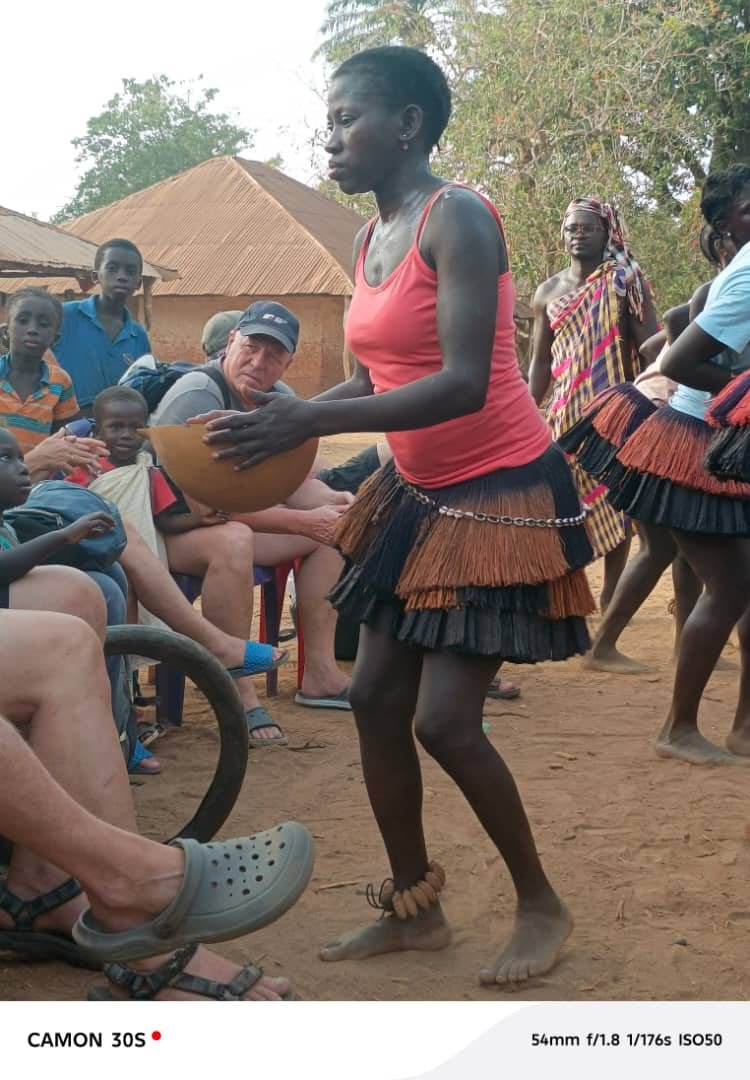
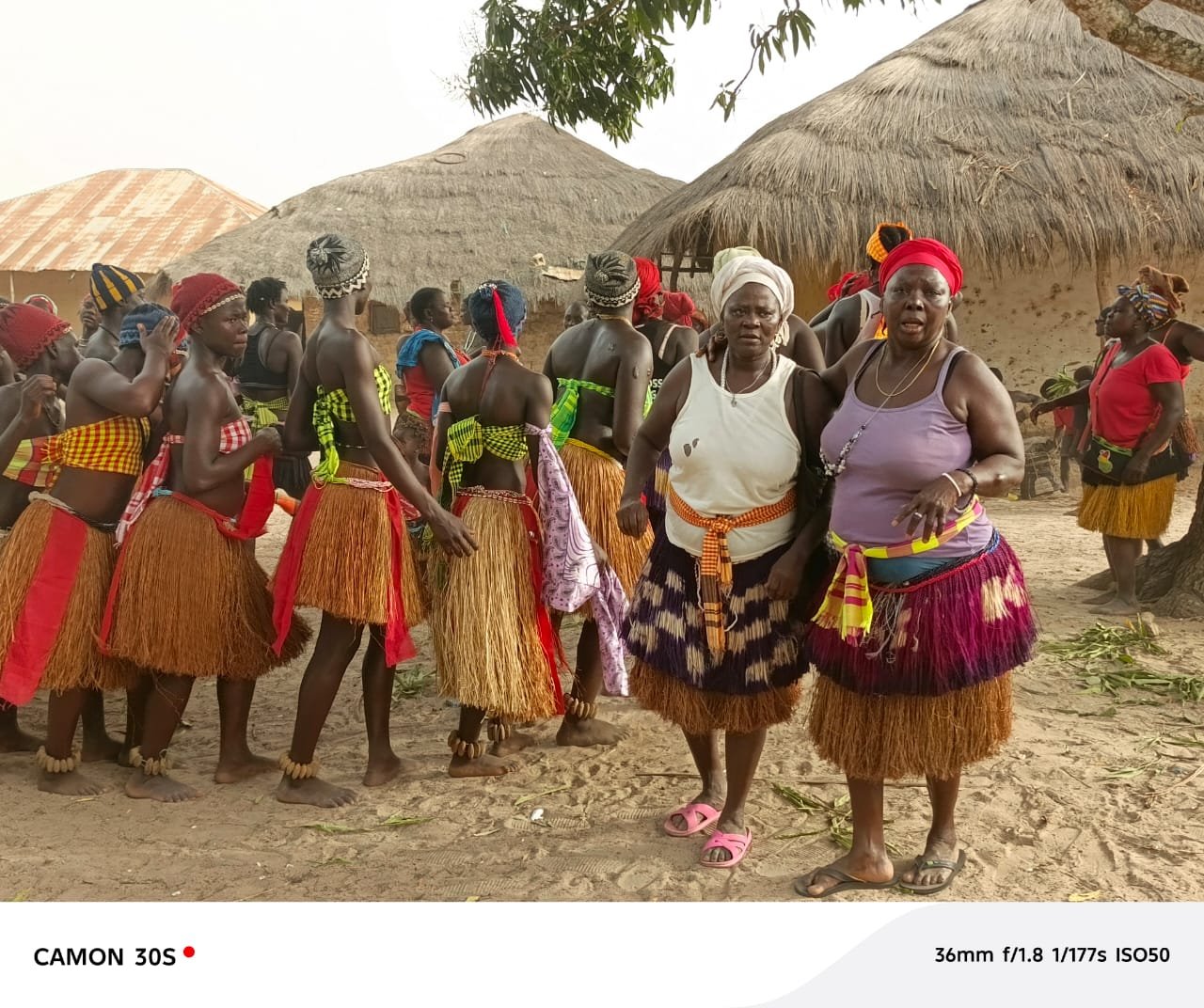
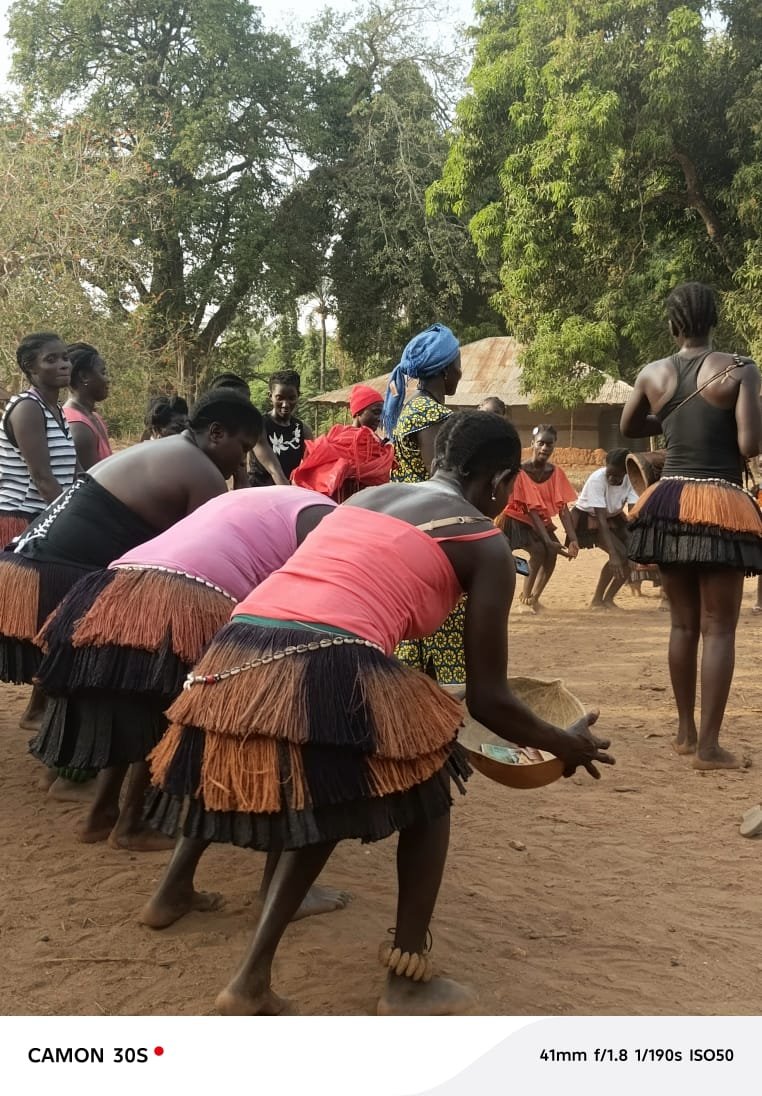
In Casamance, you will be privileged to attend the world’s most beautiful dance: The Kumpo dance. A forest and ancestral spirit emerging from the forest.
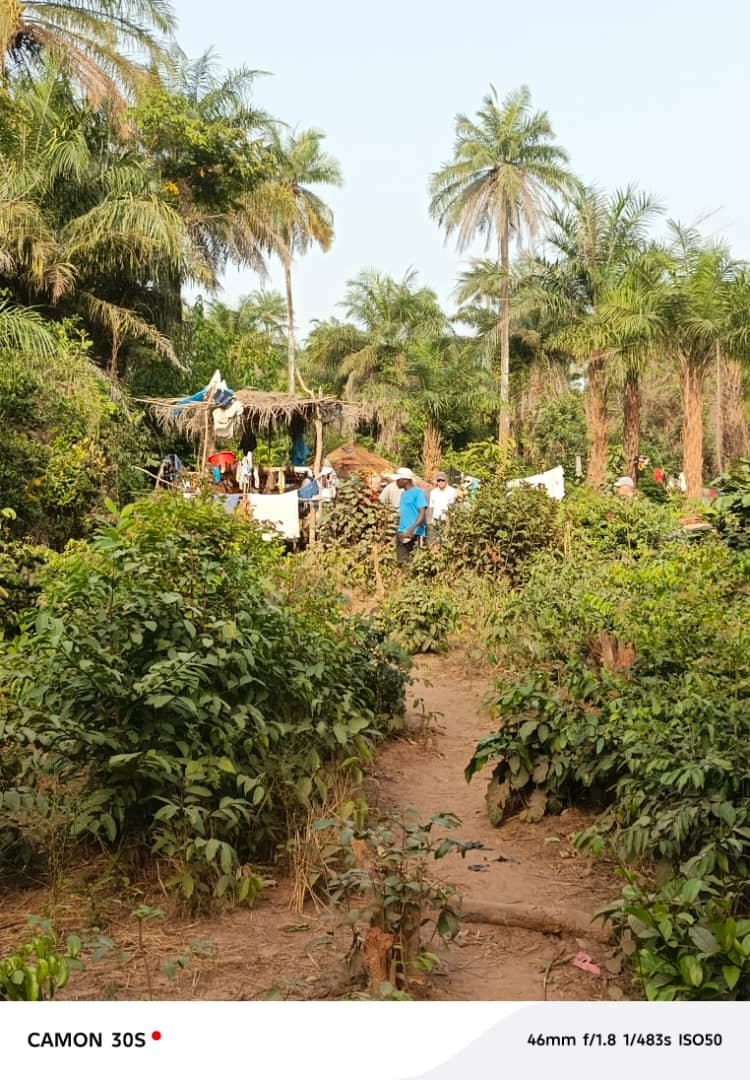
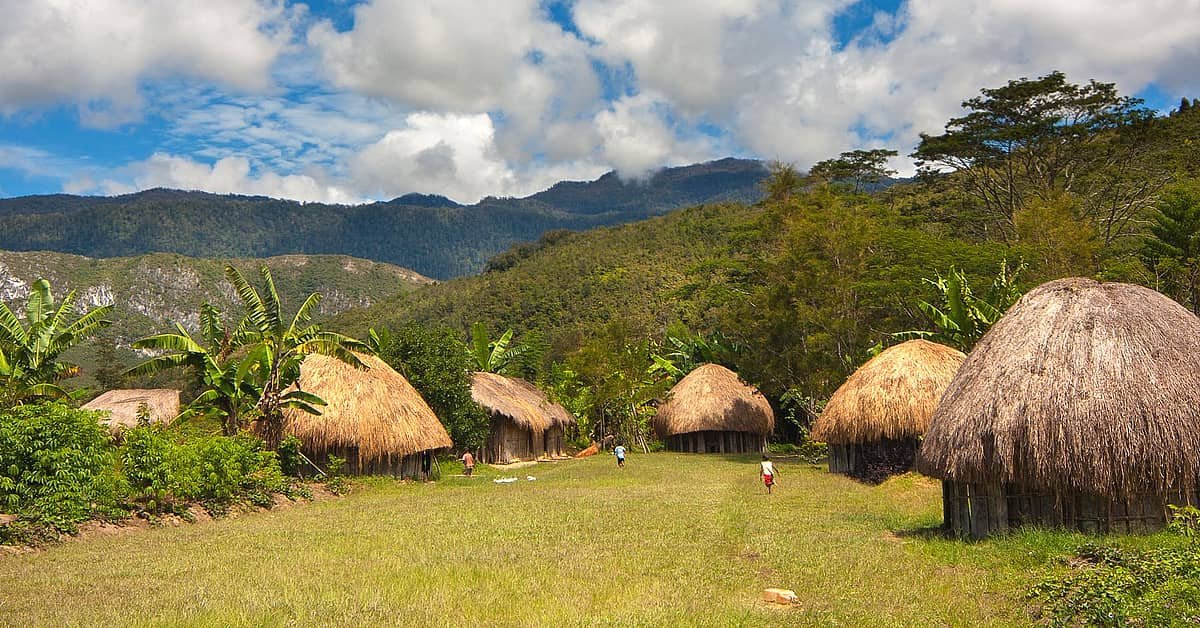
Discovery also of Elubaline Island or The Fetish Island with a lot of « impluvium huts » where the Diola tribe is deeply rooted in their culture and animist religion.
Meeting also of The Diola King and more.
In this memorable tour, we cross The Gambia, one of the world’s smallest countries. Meaning in a single and unique tour, you will see three countries.
Discovery the Bijagos Archipelagos, which is composed of 88 islands, and listed world heritage. This isolated Bijagos Archipelagos paradise is the unique preserved location of the planet, without mass tourism and with a virtually untouched nature, but also with a preserved culture from foreign influences.
Day 1: Arrival at Dakar airport and transfer to Hotel Chez Salim or Hotel Benteigner. Pension regime: Bed and breakfast
Day 2: Pink lake – Kaolack
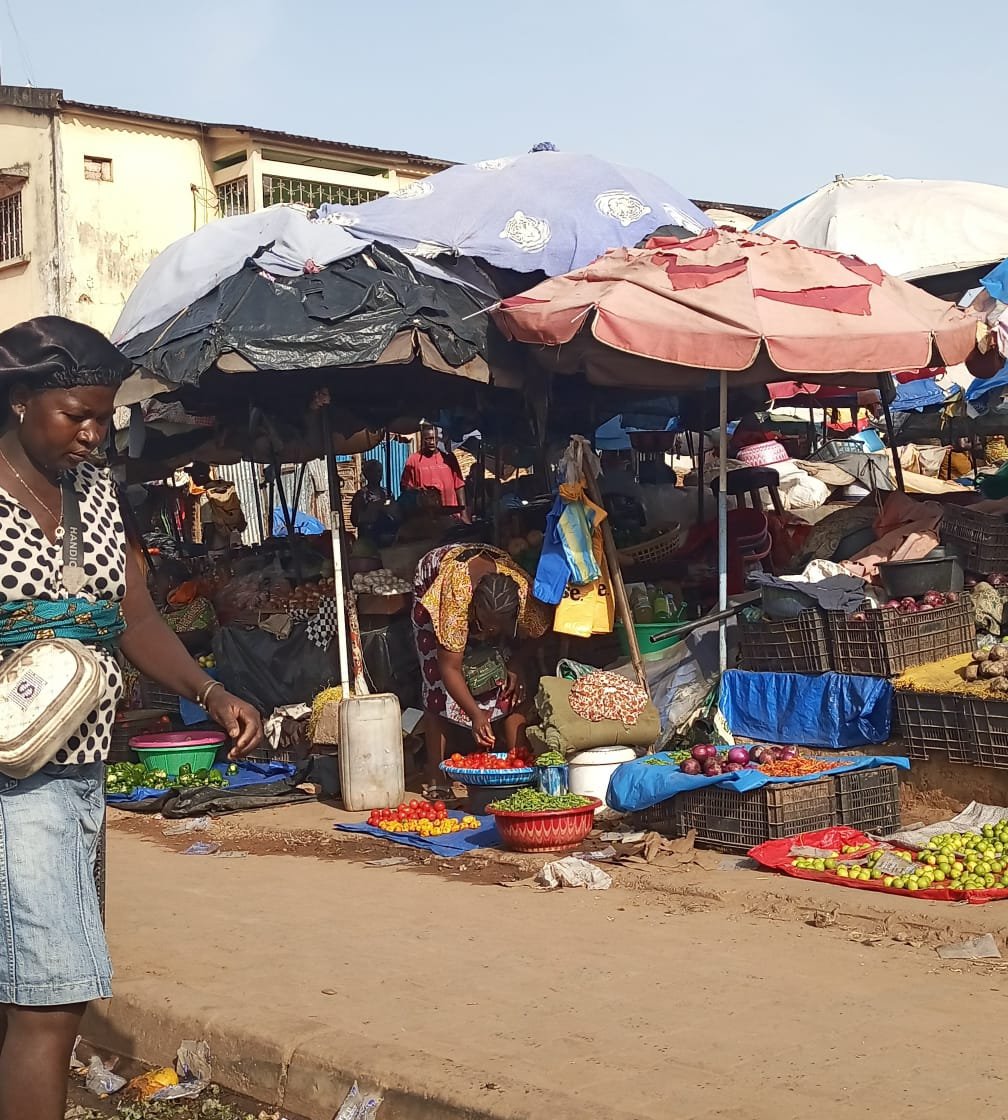
From our hotel, we start our exploration of the country, driving in the inland, discovering the legendary African savanna dominated by the Baobab, and seeing some beautiful Senegalese villages, huge herds of cows and so on… Upon arrival, we will have lunch in the afternoon, we will explore Kaolack Central Market, to see very spectacular and unique snapshots of the vendors. We will see the vegetables vendors, the fishmongers, the shoes and amulets makers, the traditional pharmacies, where the pharmacist sells as medicine things which specially come: roots, plants, bark and so on. Dinner and overnight at Relais Kaolack. Pension regime: half board
Day 3: Kaolack – Gambia – Ziguinchor
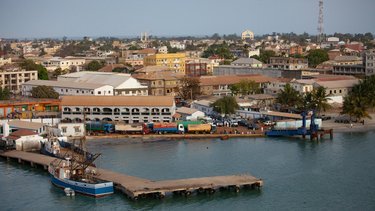
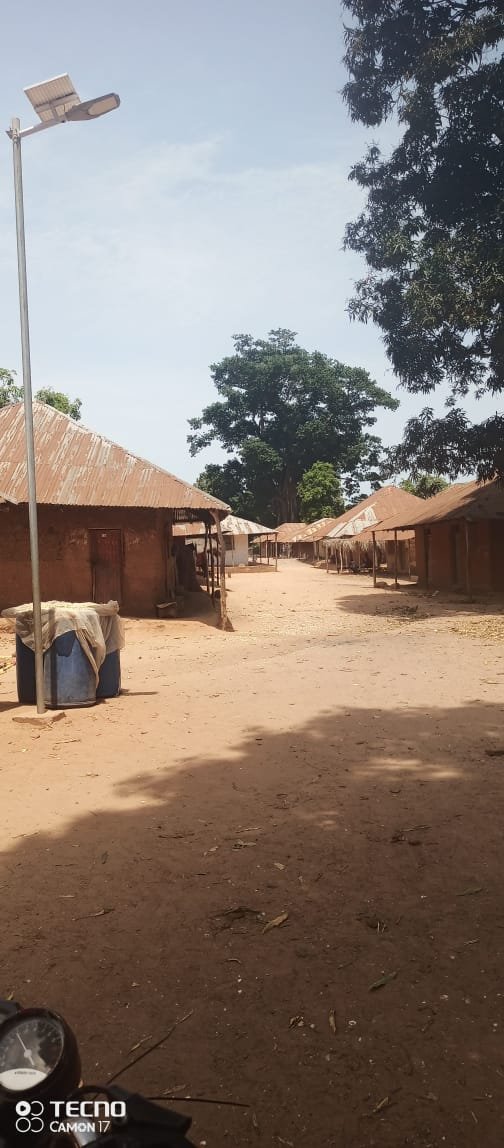
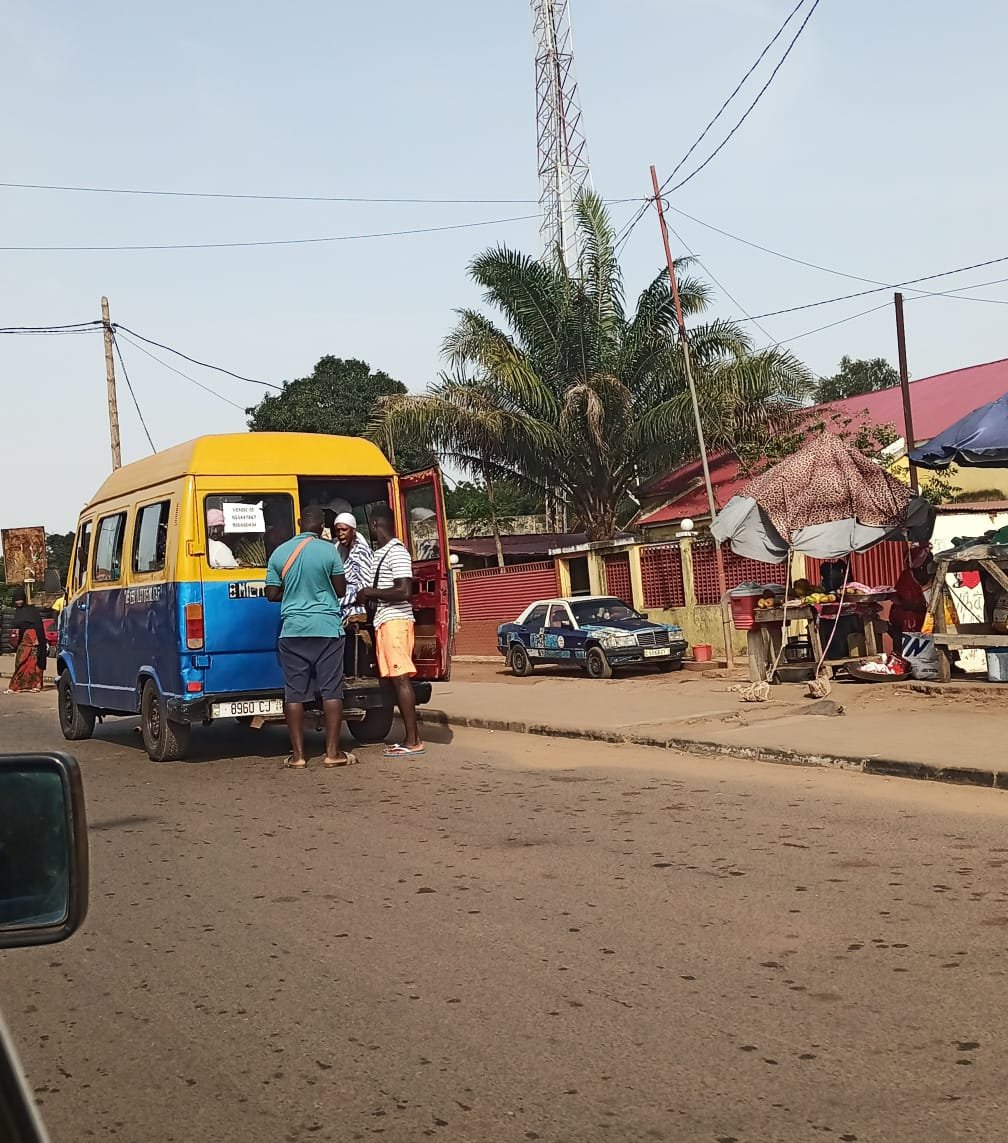
Today we will be crossing Senegal driving towards the Gambian border. Upon arrival we will fill the visa formalities, in case you need one. Then we are in The Gambia or « The smiling coast ». An English speaking country inside of Senegal, which is the world’s 38th smallest country. And while driving by, we will see the charm and beauty of The Gambia. After crossing it, we are back in Senegal, and the landscape starts changing with giant forests populated by giant trees. We will see some large and beautiful mud made houses, which are typical of Casamance. We will also see some ricefields and a lot of palm trees…. Upon arrival at Ziguinchor, we will have lunch and we head to Selecki Ecolodge. Dinner and overnight at Campamento Solidario de Selecki.
Day 4: Visit of Boukotte Diola Museum – Diembering Diola village and Kumpo Dance
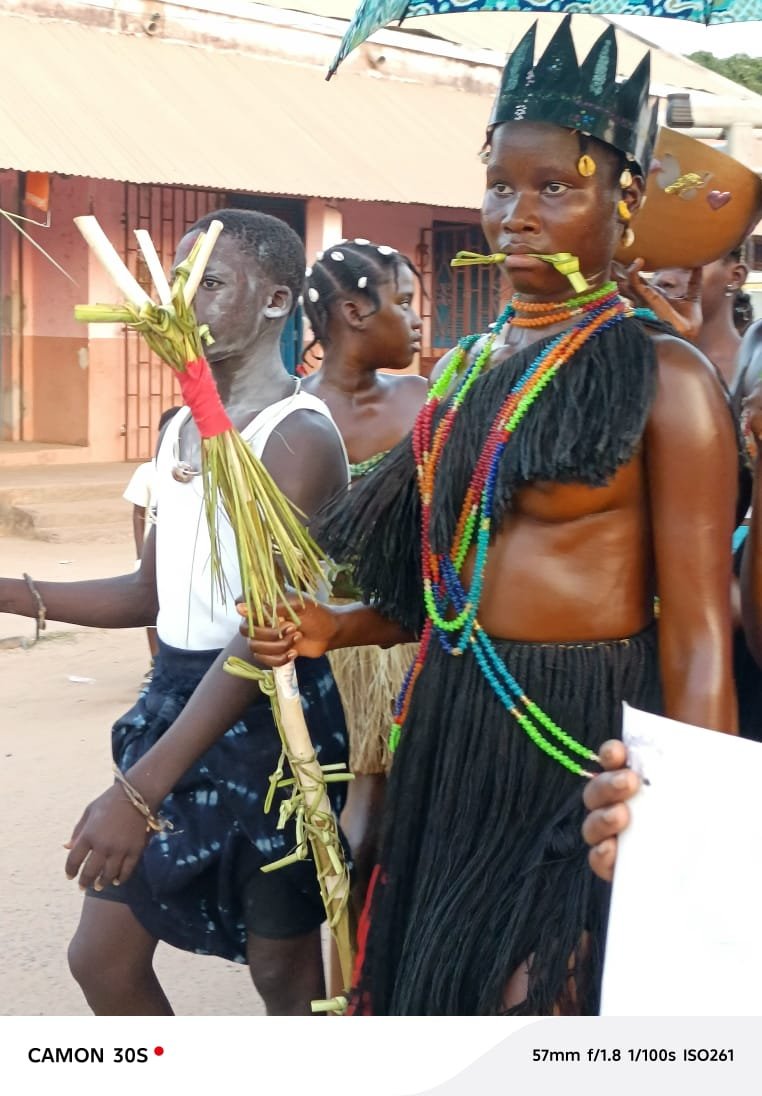
Being almost in the last village before Guinea Bissau, today we will explore The Boukotte Diola Museum, an open air museum, in the bush, where you will learn a lot about the Diola ethnic group culture, their animistic religion. Then we will have a walk in Diembering Diola village, the largest Diola tribe village in Casamance. Here you will see the giant kapok or silk cotton tree. We will walk around the village, to discover it, its beauty and its inhabitants. Around 4:00 pm, we will go to Boukotte Diola Public Place for the Kumpo dance. The kumpo dance is a traditional masked dance, deeply anchored in the Diola’s culture. The kumpo is a living protected spirit emerging from the sacred forest to interact with the Diola. As a spirit, it can also foretell what is going to happen in the future, and if it is bad, will ask the locals to do some sacrifices, to prevent from that!!!! Overnight at Maya Hotel in Cap Skiring.
Day 5: Elubaline or The Fetish Island – Visit of The Diola King of Oussouye
From Selecki, we board a motorized boat navigating on The Casamance river to discover: Elubaline or The Fetish Island, and probably seeing some fishermen, and women looking for mussels, and oysters. Upon arrival, we will have a walking tour of the Island, to see the « Case à impluvium », learn about their construction, and also the Diola tribe society and culture. With our guide, we visit the different fetishes and their importance in the Diola’s society. And in the afternoon, we will visit The Diola King of Oussouye according to his availability. Lunch at Chez Pierre in Oussouye. The King of Oussouye, Sibilumbaï Diédhiou, is the traditional, spiritual, and religious leader of the Animist Diola people in the Oussouye region of Casamance, southern Senegal. Dinner and overnight at Hotel Kadiandoumagne in Ziguinchor. Pension regime: half board
Day 6: Ziguinchor, Senegal – Cacheu, Guinea Bissau
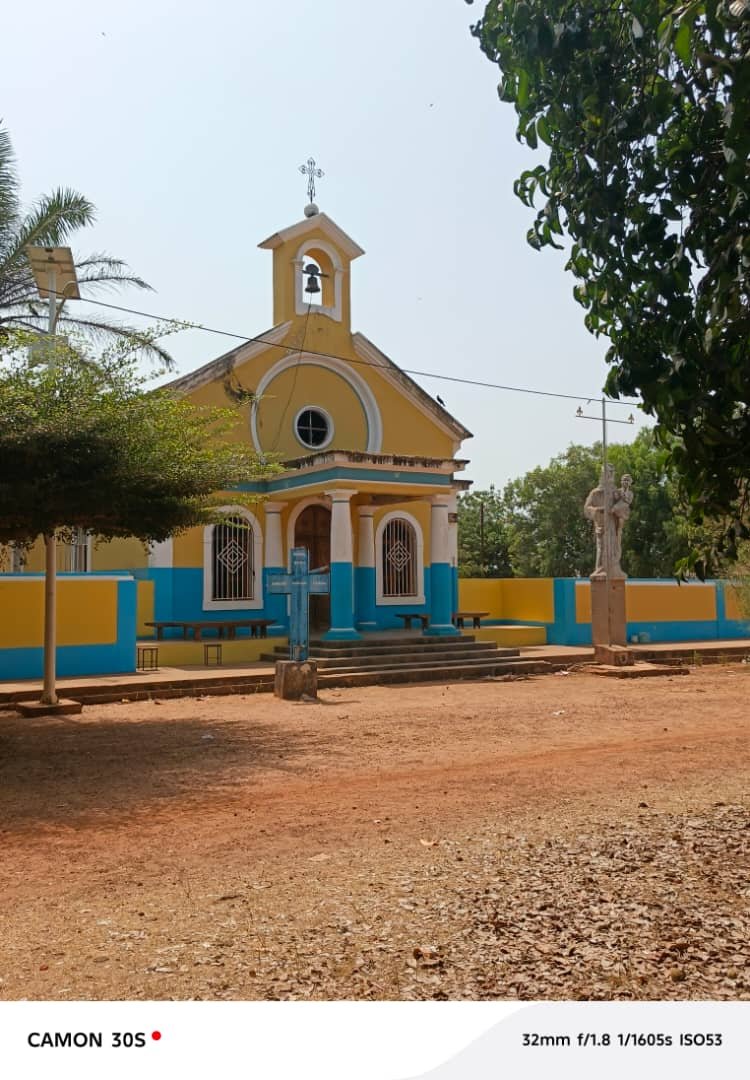
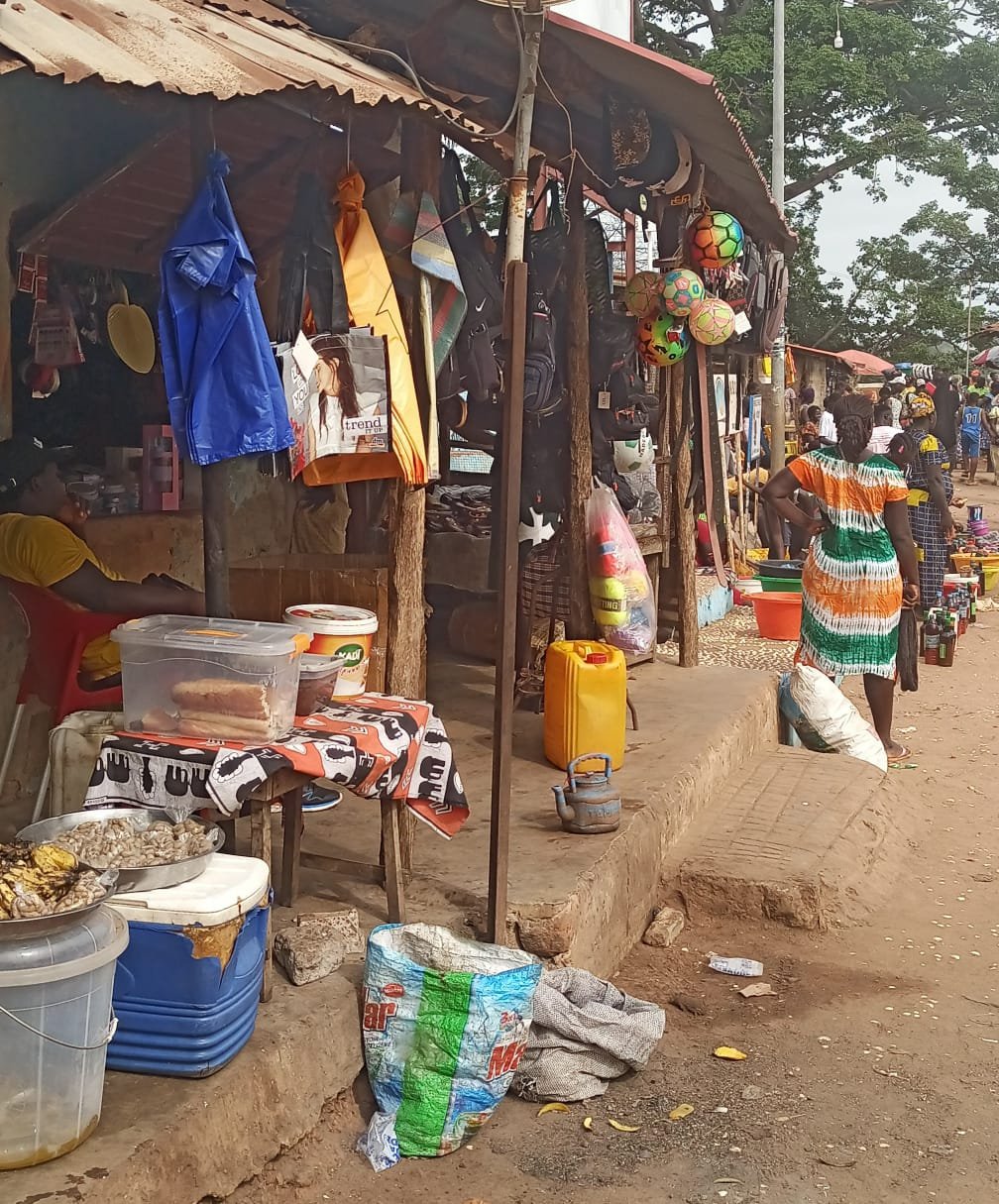
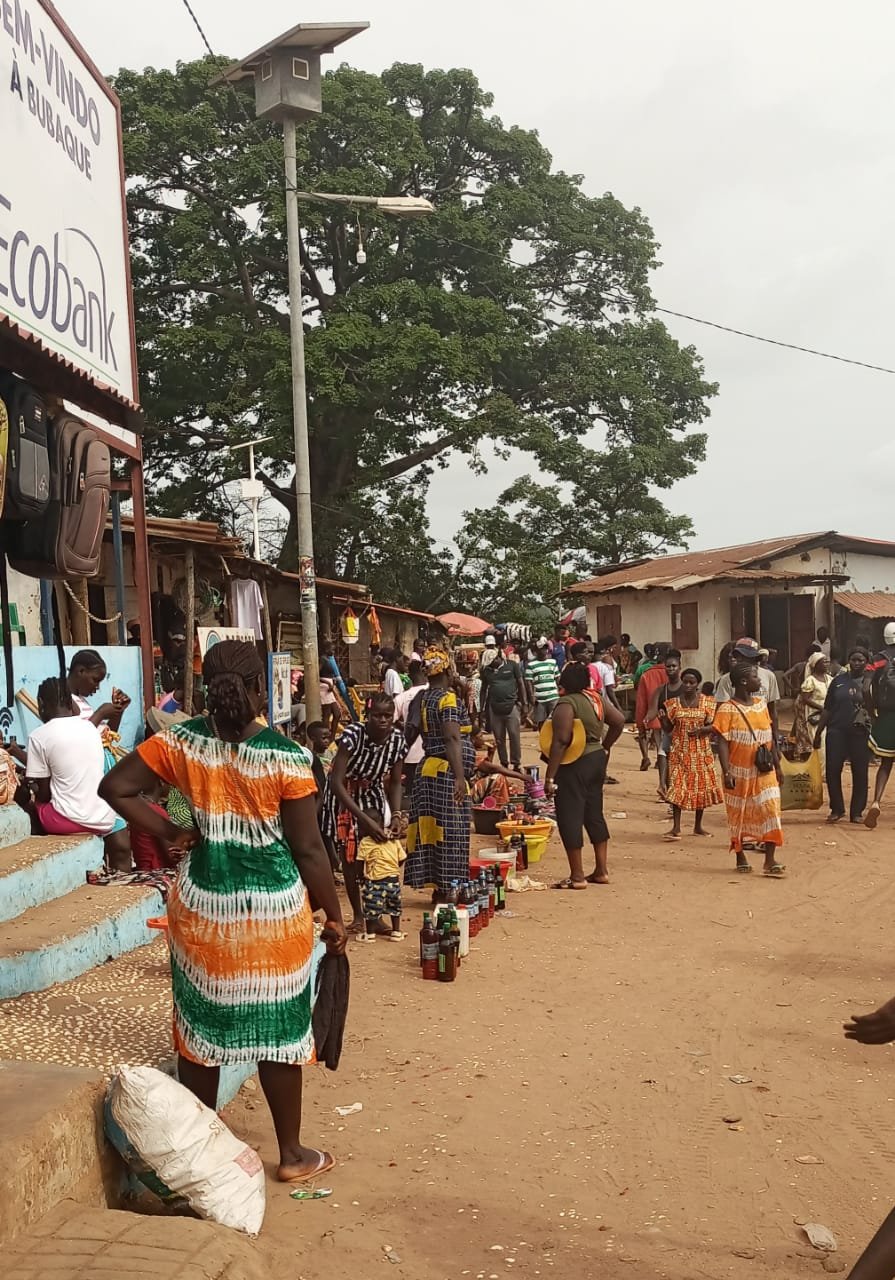
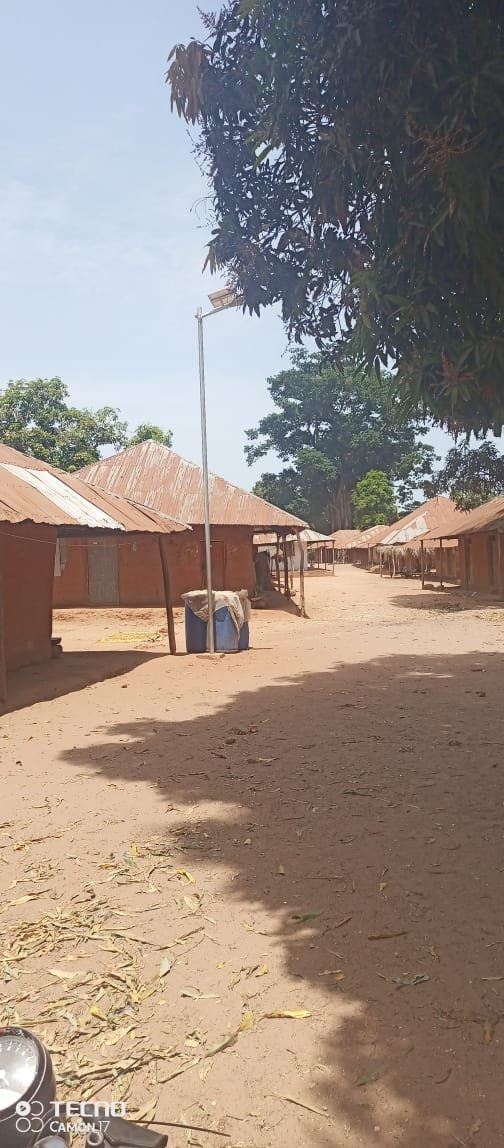
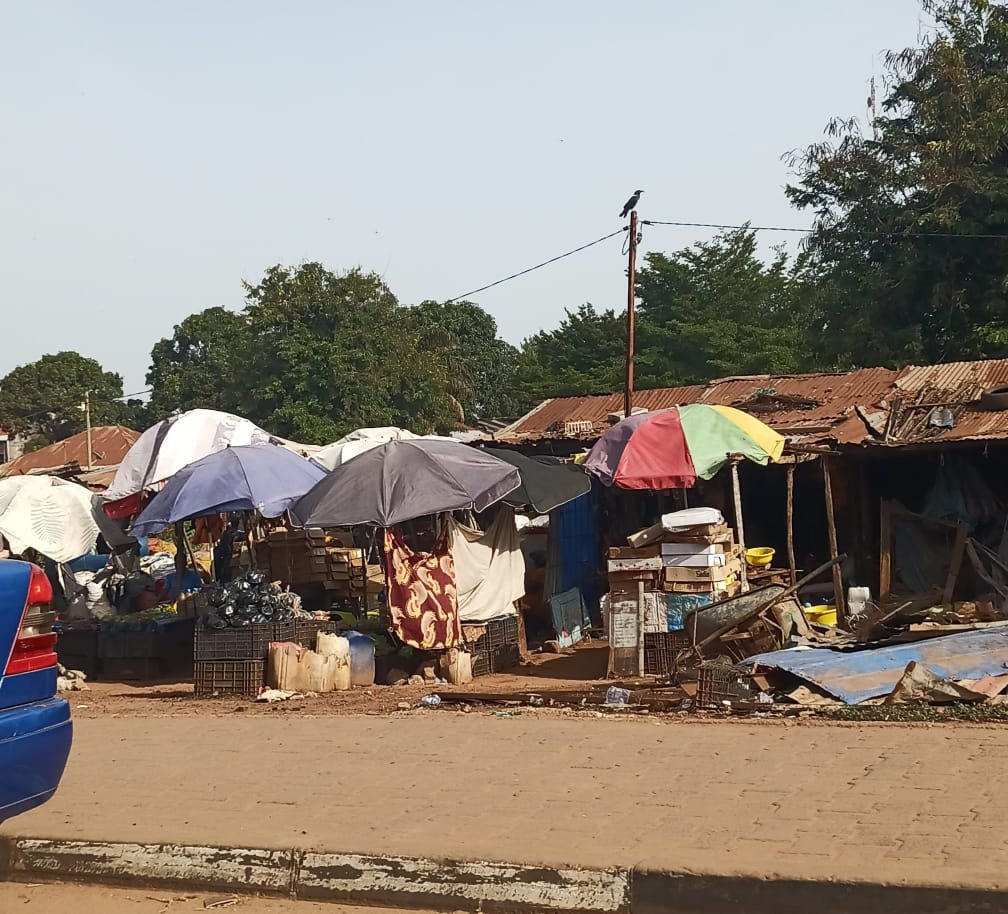
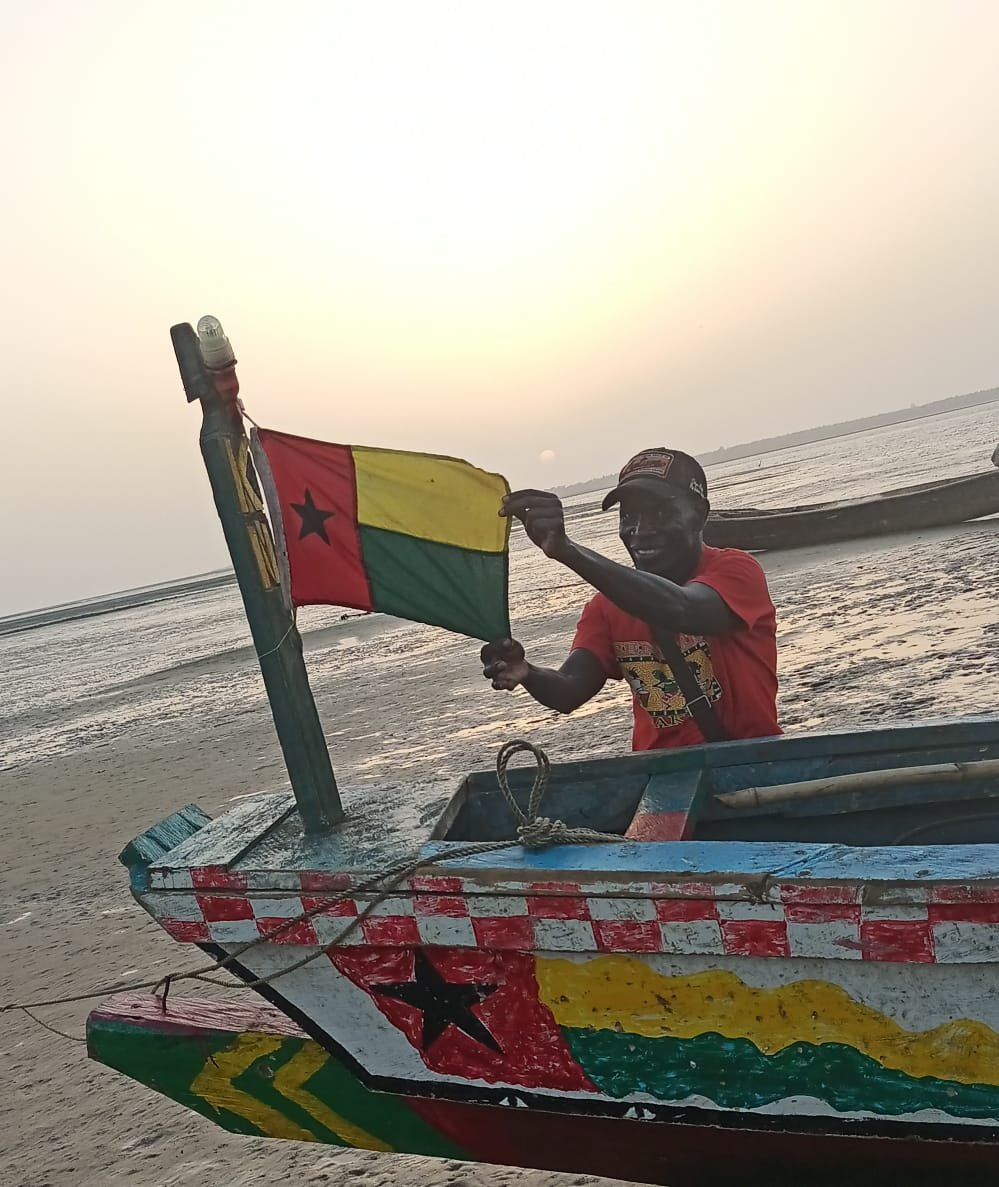
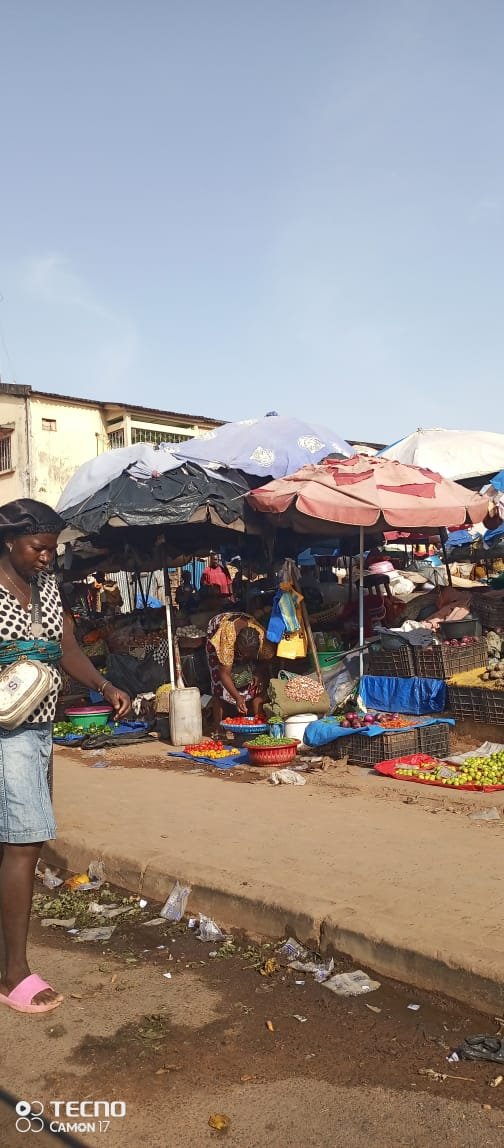
We leave earlier to head to the Guinea Bissau Consul for the visa, and then we keep on driving southwards to the Guinea Bissau Border. Upon arrival, we fill all the formalities. Once in Guinea Bissau, everything changes, and we start crossing the country, seeing very beautiful cashew tree fields, a lot of palm trees and mangrove. We will also see some typical Bissau Guinean villages with their mud made houses and also some colourful markets on the road sides. Lunch in Cacheu. Cacheu is a historic coastal town and administrative region in northwestern Guinea-Bissau, located on the south bank of the Cacheu River. Established by the Portuguese in 1588, it stands as one of the earliest European colonial settlements in Sub-Saharan Africa and served as the first capital of Portuguese Guinea. In the 17th and 18th centuries, Cacheu was a Slave Trade hub, which was used by the Portuguese as an official station and highly active port for the transatlantic slave trade. Here we will visit the Memorial da Escravatura e do Tráfico Negreiro. We will also explore The Cacheu Fort which was officially built in 1588 and which was also used to warehouse some slaves whose final destination was Brazil, Cape Verde and the Americas. We also discover the oldest Portuguese church in West Africa and will visit a Mandjago village. Dinner and overnight at Hotel Carrene Tours in Cacheu.
Day 7: Cacheu – Bissau – Ponta Anchaca on Rubane Island in the Bijagos
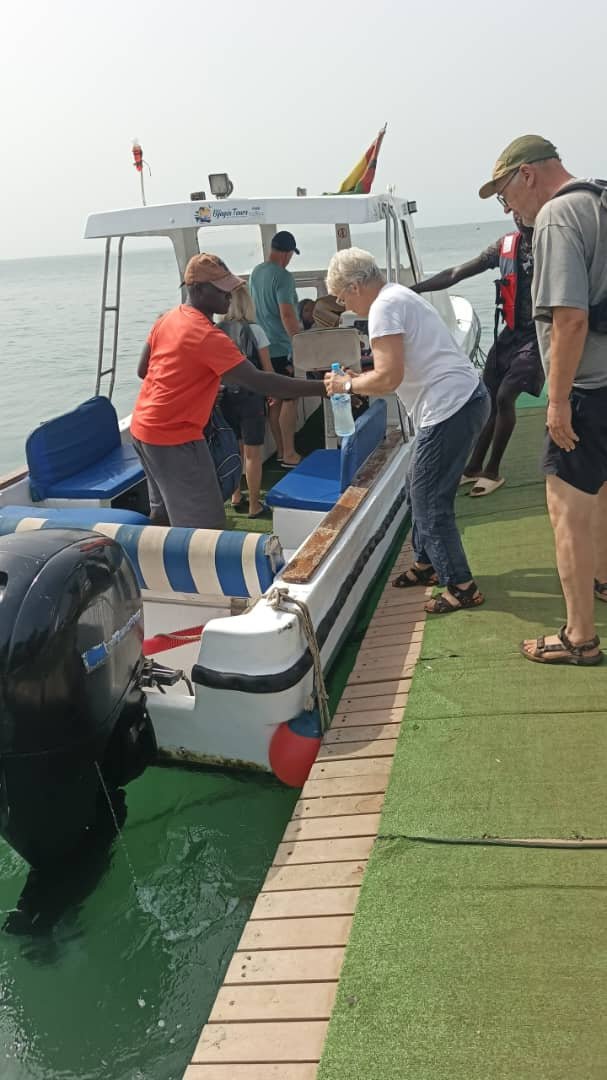
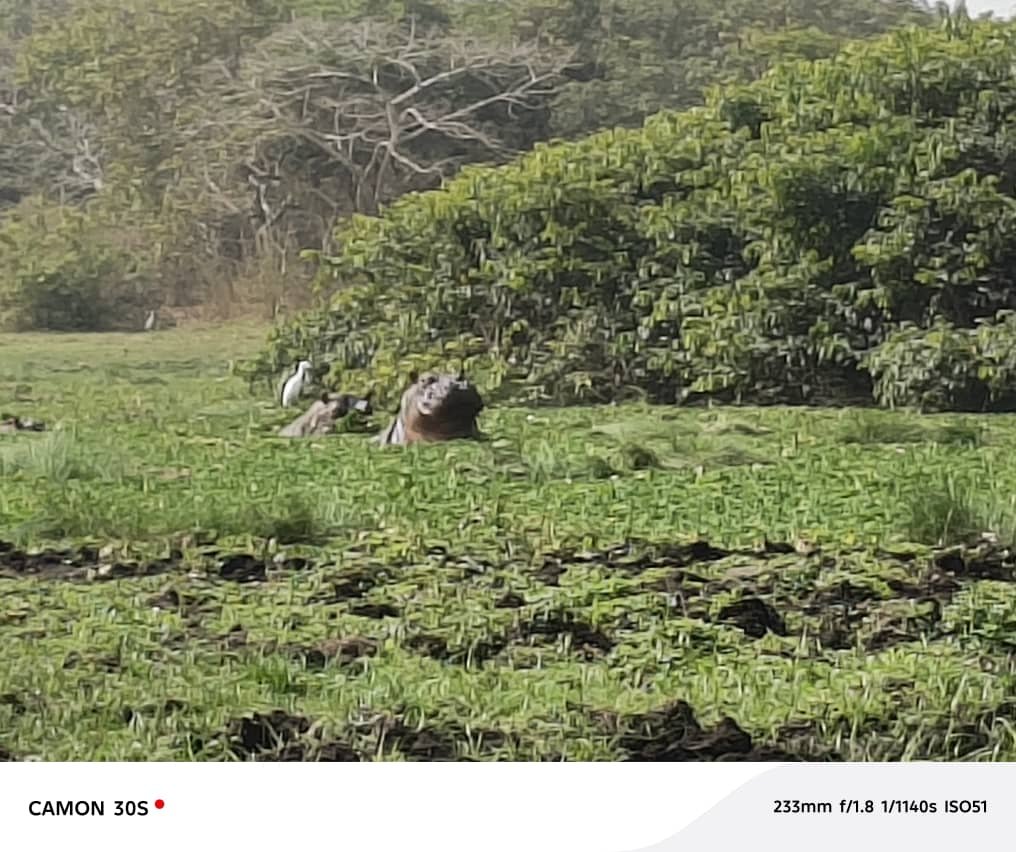
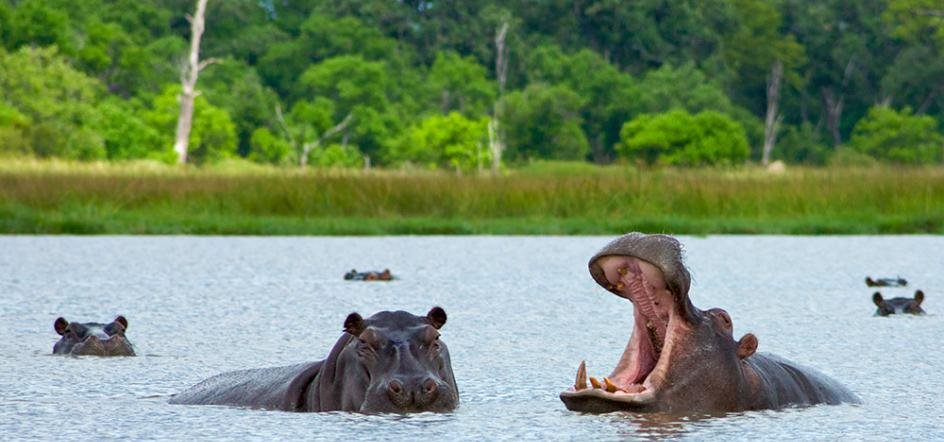
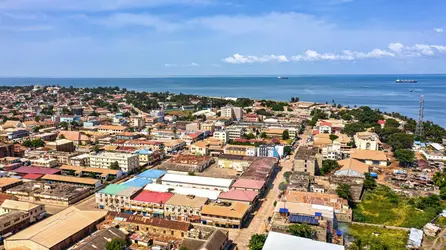
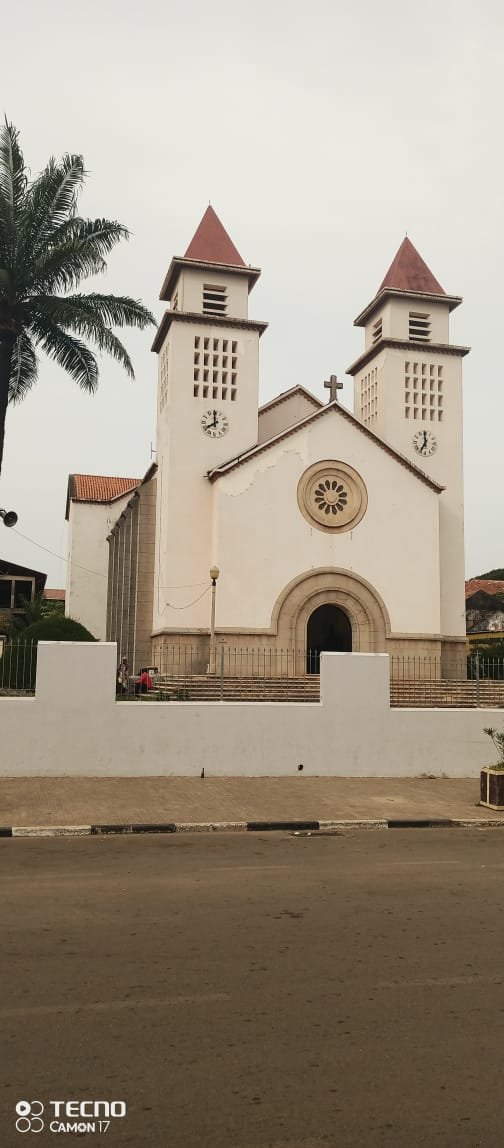
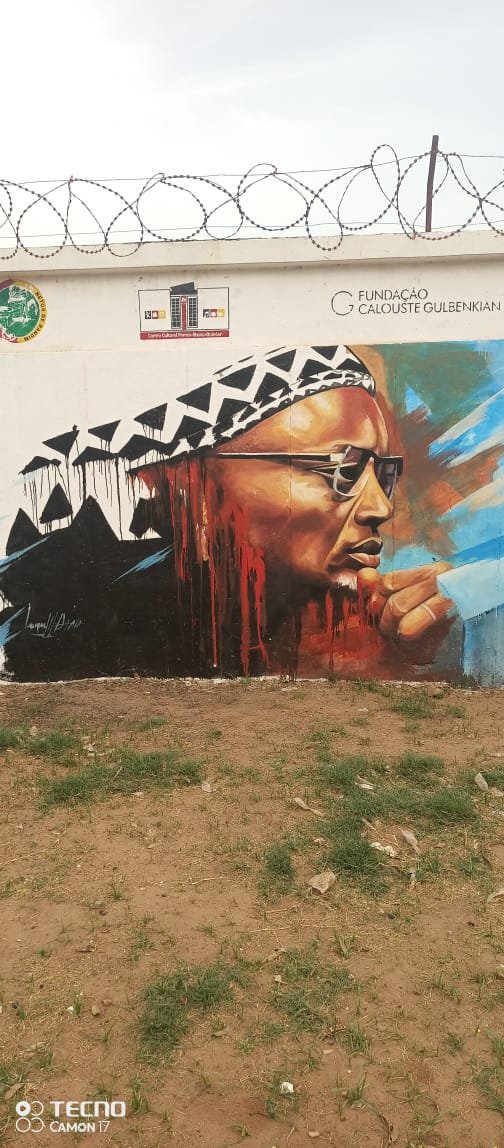
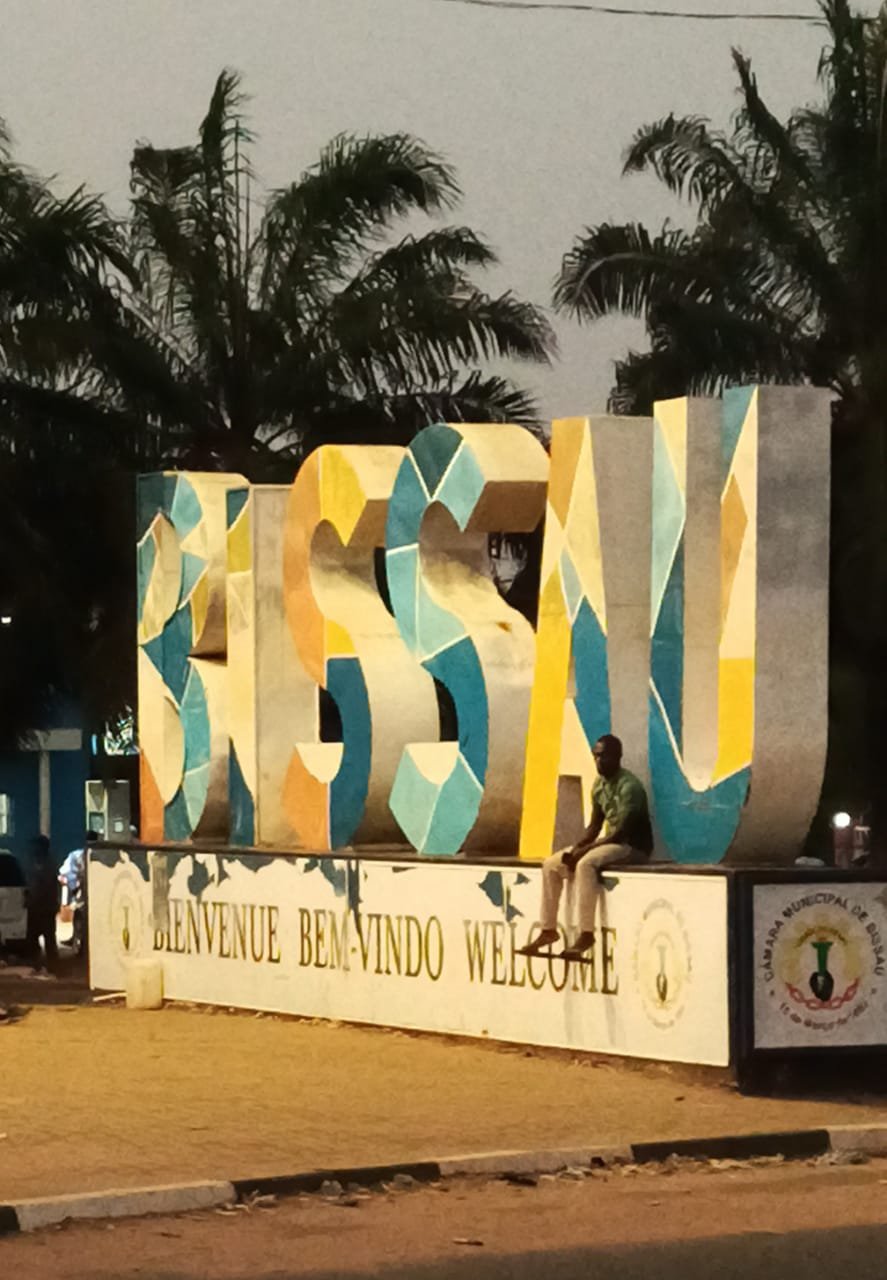
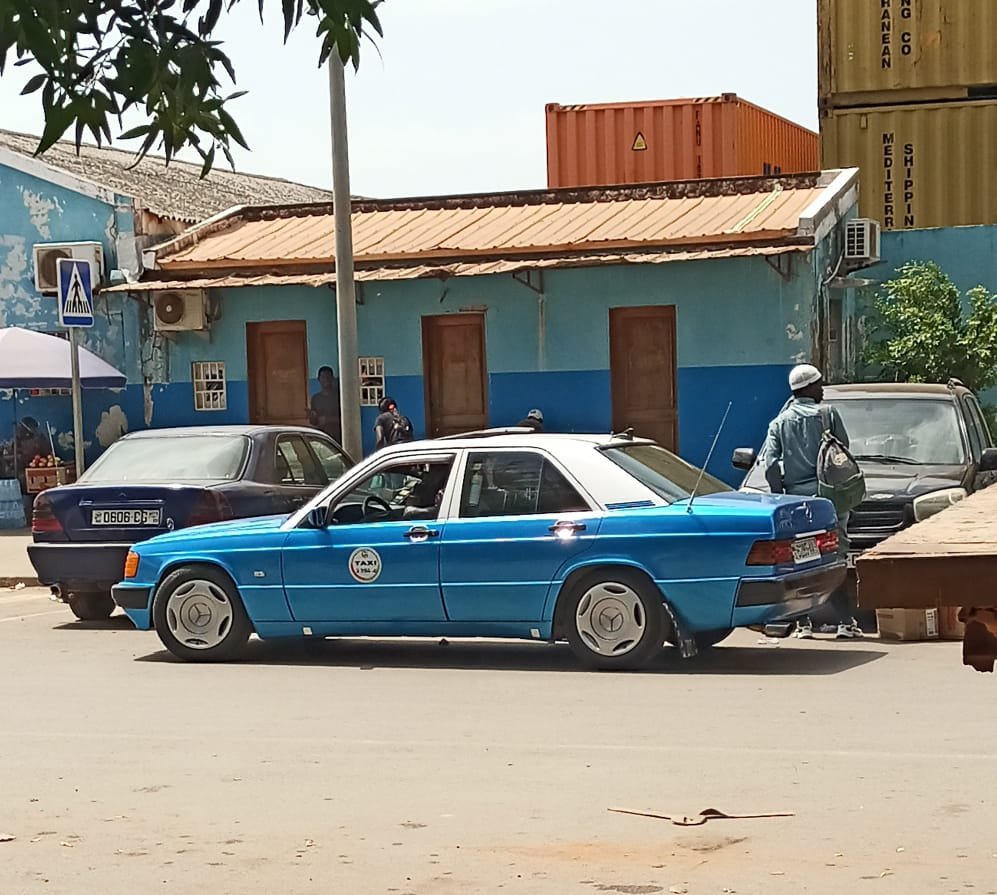
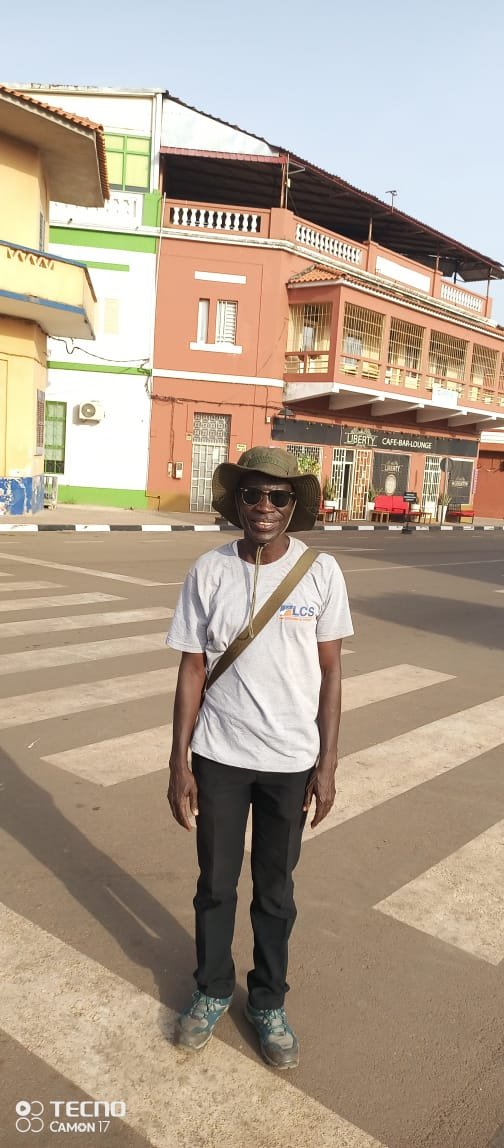
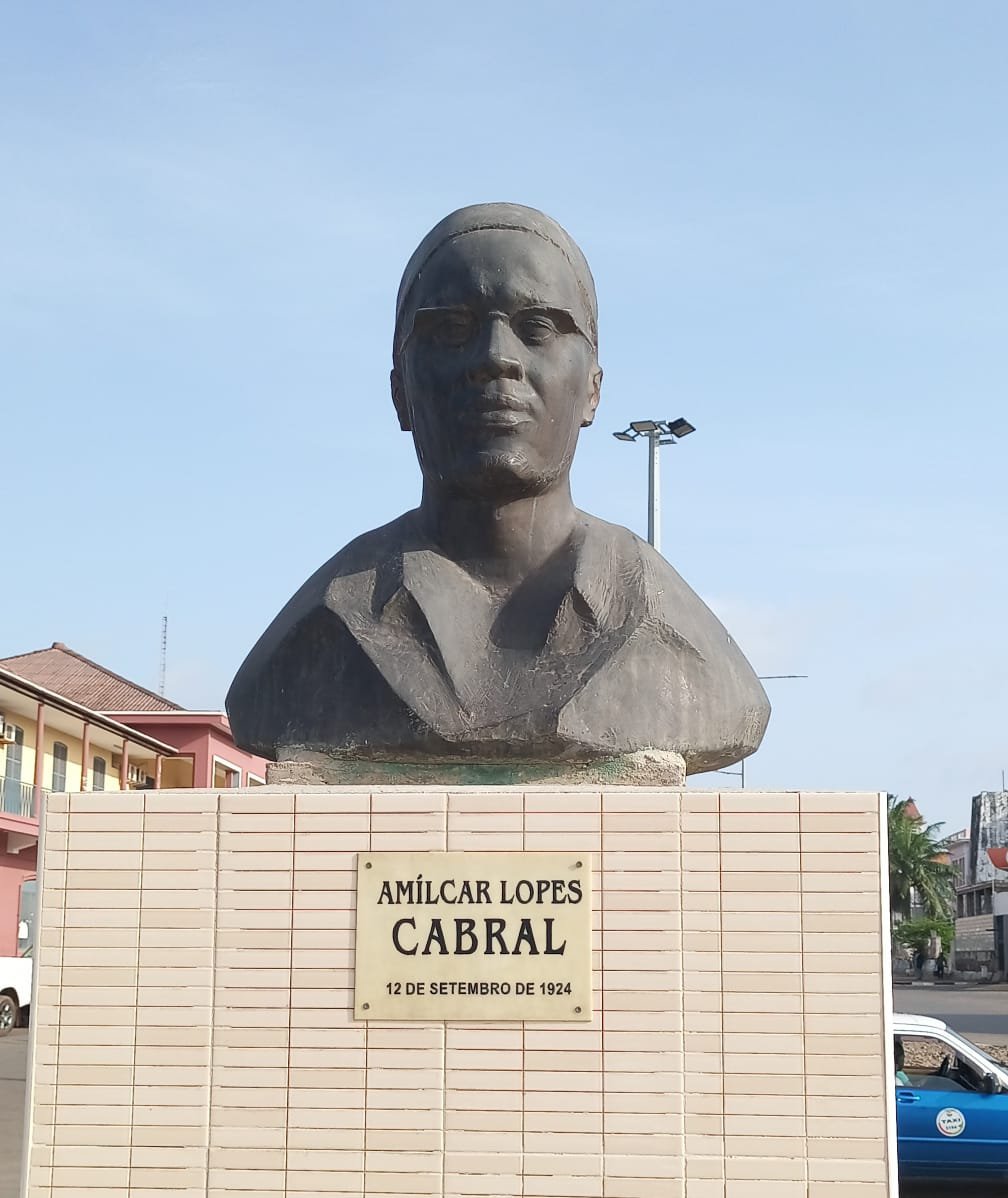
Leave to visit Bissau, the small capital city, wandering through the narrow streets, seeing some pastel coloured buildings, reminiscent of the Portuguese colonization, and which give us the feeling of exploring an open-air museum. We will see the National Heroes Square, near the Presidential Mansion. We will also see the Statue of Amílcar Cabral, the legendary revolutionary who gave independence to Guinea Bissau and Cape Verde. We will drive by Bandim Market, and we will also see The Bissau Craft Market, and also some frescoes called the Frescoes for The Independence or « Mural da Independência ». Lunch and transfer by fast boat to the Bijagos Archipelagos. The Bijagós archipelago is composed of a group of 88 islands and only twenty-five of them are inhabited. The Bijagos Archipelagos is located throughout Guinea-Bissau, in West Africa. If we are looking for wild nature and culture, the main islands to visit are Canhabaque, Orango Island, Bolama Island, Rubane Island and Bubaque. This isolated Bijagos Archipelagos paradise is the unique preserved location of the planet, without mass tourism and with a virtually untouched nature, but also with a preserved culture from foreign influences. Besides its natural riches – turtles, mangroves, saltwater hippopotamuses – the islands are distinguished by their cultural and spiritual value. Dinner and overnight at Ponta Anchaca in The Bijagos Archipelagos. Pension regime: half board
Day 8: Rubane – Canhabaque – Bubaque – Rubane
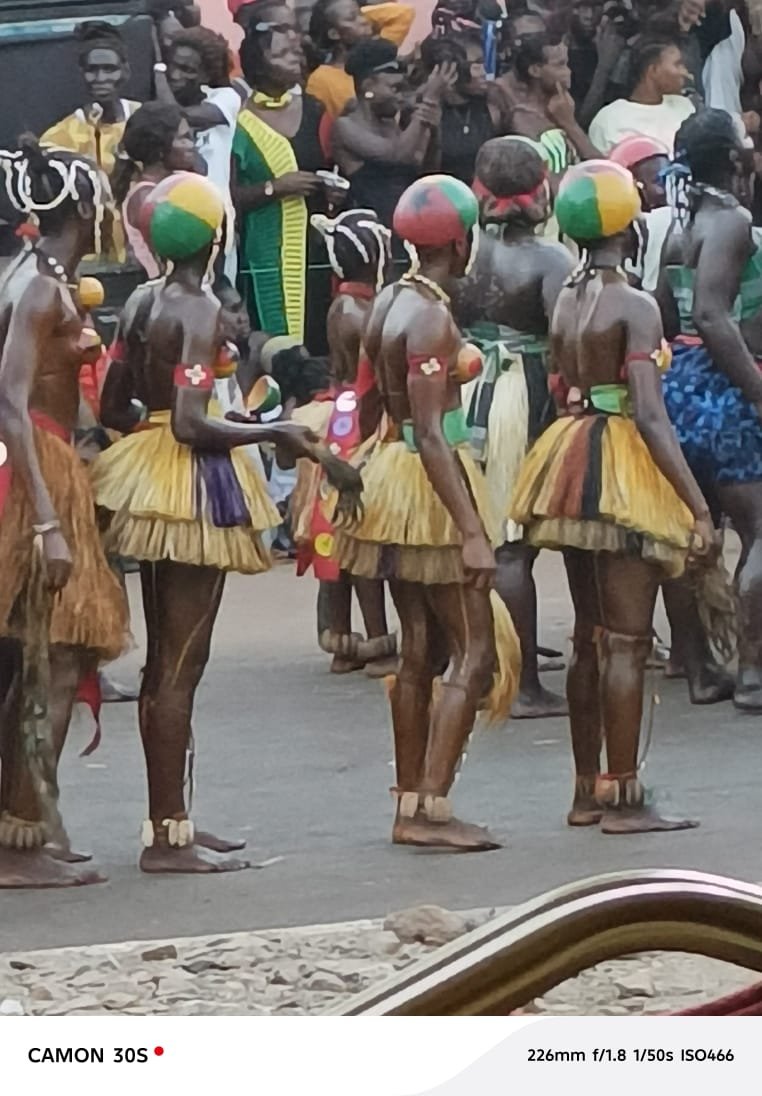
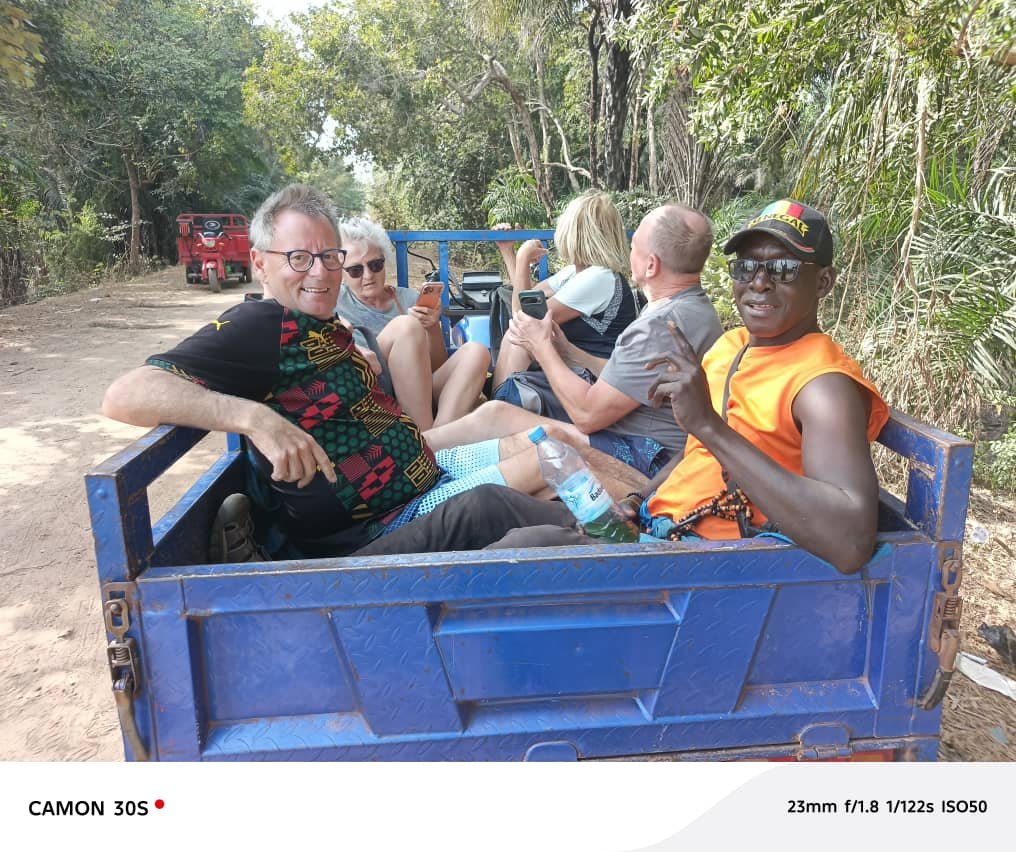
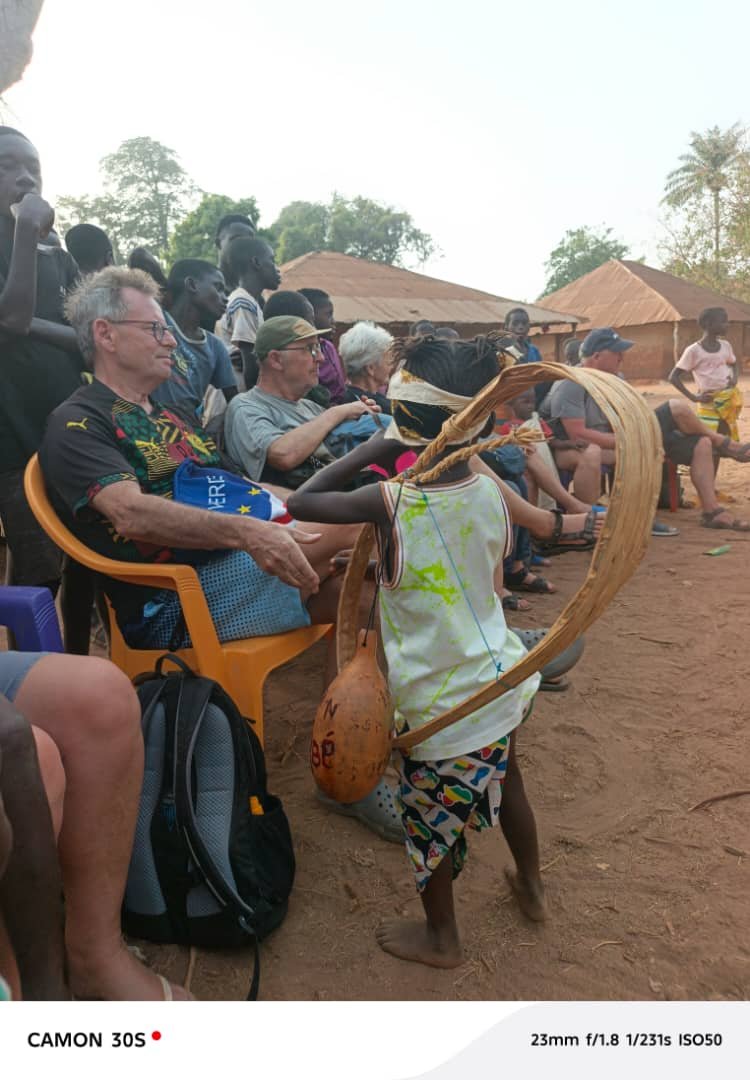
Leave Rubane a bit late for Canhabaque. Upon arrival, we will have lunch on the beach in a restaurant. After that we will have a while to visit the beautiful forest looking for the monkeys. Then we board our fast boat again for Bubaque, one of the most beautiful islands. Once at Bruce Praia, we will take the tricycles driving on the tracks, heading to a Bijagos Island, where we will meet the Queen, and after we will have the Bijagos dance. After all that, we head to Bubaque, and then to Ponta Anchaca. Canhabaque Island, also known by the name Roxa, has lush vegetation and boasts pretty virgin beaches. Long closed to tourism, it is considered the most traditional island in the whole archipelago in terms of customs and lifestyle. It competes with Caravela for the reputation of the most beautiful island. Canhabaque and Bubaque islands are matrilineal and animist societies; women are highly predominant in the management and maintenance of balance in the « tabancas ». They are the house owners and choose the name of their children. Dinner and overnight at Ponta Anchaca Lodge.
Day 9: Rubane – Bolama (former capital city of Guinea Bissau) – Bissau
Leave Rubane Island for Bolama. Bolama is a fascinating, time-capsule destination in Guinea-Bissau that served as the first official capital of Portuguese Guinea from 1879 until 1941. In the mid-19th century, both Portugal and England claimed ownership of the Island. The conflict escalated until Ulysses S. Grant, president of the US, was asked to act as an international arbitrator. A statue of President Grant stood in the town square for over a century to commemorate this event. In Bolama, we will have a walking tour to see the colonial buildings and revisit the colonial history. Lunch in Bolama, and continuation to Bissau. Dinner and overnight at Mag Palace hotel in Bissau.
Day 10: Transfer to airport
If you are keen birdwatchers ,some tours are proposed to you in this website. Sogui is a bird expert with
more than 15 years of experience. Ask to those ,who have on a Birding Tours. Even when hearing the birds songs ,I first will tell you ,which one is it and than will point it to you.
Sogui Tours Sénégal, your trusted partner to discover the treasures of Senegal in an authentic and unforgettable way.
© Copyright 2026 | Sogui Tours Senegal. All Rights Reserved.